
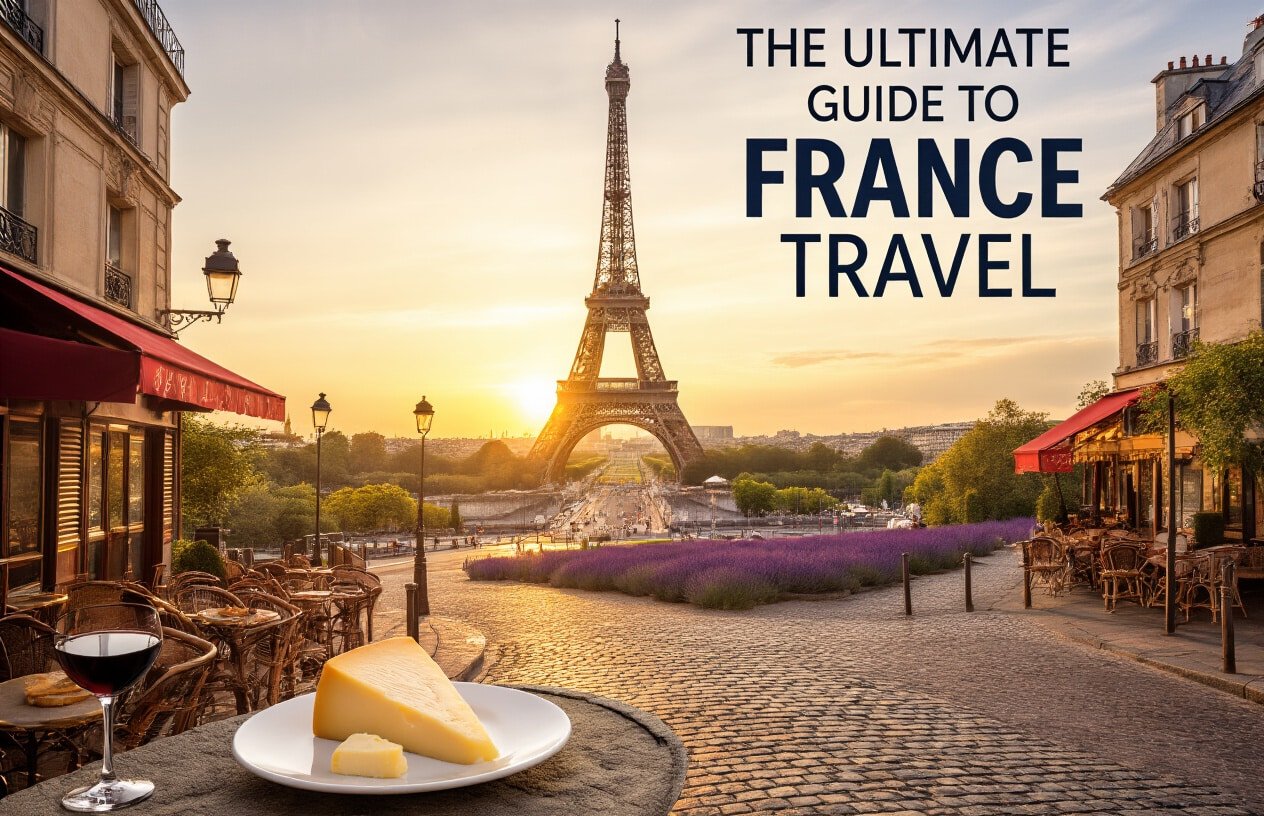
France Unlocked: The Ultimate Insider’s Guide to Culture, Cuisine, and Hidden Wonders
Planning a trip to France? This guide helps first-time visitors and experienced travelers navigate everything from iconic Parisian landmarks to hidden countryside gems. You’ll discover the best times to visit Paris and how to explore beyond the capital. We’ll also share France’s most beautiful regions and their unique attractions. Our practical tips cover transportation options, accommodation choices, and essential French phrases to enhance your journey.
Planning Your Perfect French Adventure
A. Best Times to Visit: Seasonal Highlights
France shines differently in each season, with unique experiences waiting for you year-round. Spring (April-June) brings mild temperatures and blooming gardens across the countryside. You’ll find fewer tourists at major attractions like the Louvre or Versailles, and prices haven’t yet hit their summer peak.
Summer (July-August) is when France truly buzzes with energy. The weather’s warm and sunny, perfect for those dreamy beach days along the French Riviera or exploring lavender fields in Provence. Just know that this is peak tourist season, so popular spots will be crowded and accommodation prices shoot up. Paris famously empties of locals in August when many businesses close as Parisians take their annual vacation.
Fall (September-October) might actually be the sweet spot for your visit. The crowds thin out, temperatures remain pleasant, and the wine regions come alive with harvest festivals. Imagine walking through Burgundy or Bordeaux vineyards as they turn golden and crimson.
Winter (November-March) transforms France into a different kind of wonderland. Alpine regions like Chamonix and Courchevel become skier paradises, while cities dress up in dazzling Christmas markets and light displays. You’ll score the best deals during this off-season, except in ski resorts where prices peak.
For specific experiences, time your visit strategically:
- Lavender fields in Provence: Late June to early August
- Wine harvests: September to October
- Christmas markets: Late November through December
- Carnival celebrations in Nice: February
- Cherry blossoms in Paris: April
B. Essential Travel Documents & Requirements
Before packing your beret and booking that cooking class, make sure your paperwork is sorted. As a traveler from outside the EU, you’ll need:
- Valid passport: Must be valid for at least three months beyond your planned departure date from France
- Visa requirements: If you’re from the US, Canada, Australia, or many other countries, you can stay up to 90 days without a visa for tourism
- ETIAS authorization: Starting in 2024, non-EU visitors who don’t need a visa will still need to register online through the European Travel Information and Authorization System
- Travel insurance: Not legally required but highly recommended to cover medical emergencies
- Return ticket: Border officials may ask for proof you’re planning to leave
- Proof of accommodation: Have your hotel bookings or Airbnb confirmations handy
- Sufficient funds: You might need to demonstrate you can support yourself during your stay
For driving in France, you’ll need:
- Your valid driver’s license (an International Driving Permit is recommended for non-EU licenses)
- Vehicle insurance documents if bringing or renting a car
- Awareness of French road rules (like carrying a breathalyzer in your vehicle)
Health considerations have become increasingly important. Check the latest requirements regarding vaccination certificates or health declarations before your trip. The French government website provides up-to-date information.
Keep digital and physical copies of all important documents. Store digital versions in cloud storage you can access anywhere, and keep physical copies separate from the originals in case of theft or loss.
C. Budgeting Tips for Every Type of Traveler
France doesn’t have to break the bank. Whether you’re splurging on luxury or pinching centimes, here’s how to plan your budget:
For Budget Travelers:
- Visit during shoulder seasons (April-May or September-October) for lower accommodation rates
- Stay in budget hotels, hostels, or try apartment rentals in residential neighborhoods
- Pick up picnic supplies at local markets and bakeries instead of dining at restaurants for every meal
- Use the extensive public transportation network instead of taxis
- Take advantage of free museum days (first Sunday of each month at many national museums)
- Look for “menu du jour” (fixed price lunch menus) which offer great value at €15-25
For Mid-Range Travelers:
- Split your stay between cities and smaller towns where costs are lower
- Mix fine dining experiences with casual bistro meals
- Consider rail passes if visiting multiple regions
- Book accommodations with kitchenettes to prepare some meals yourself
- Look for city passes that combine attractions and transport (like the Paris Museum Pass)
For Luxury Travelers:
- Book iconic hotels in advance (like Le Meurice in Paris or Hotel Negresco in Nice)
- Reserve Michelin-starred restaurants weeks or months ahead
- Arrange private tours of museums and wine regions
- Consider hiring a driver for scenic routes like the French Riviera
- Shop at designer boutiques with potential tax refunds (for non-EU visitors)
General Money-Saving Tips:
- Eat your main meal at lunch rather than dinner (same food, lower prices)
- Visit local tourist offices for free maps and discount vouchers
- Use bank cards with no foreign transaction fees
- Consider a city bike rental system for exploring urban areas
- Book major attractions online in advance to skip lines and sometimes save money
D. Creating an Ideal France Itinerary
Crafting the perfect French itinerary depends on your interests and time, but here are some frameworks to build upon:
For First-Timers (10-14 days):
- Start with 4-5 days in Paris (Eiffel Tower, Louvre, Notre Dame, Montmartre)
- Take a day trip to Versailles Palace
- Train to the Loire Valley for 2 days of château-hopping
- Continue to Provence for 3 days (Avignon, Arles, lavender fields)
- Finish with 2-3 days on the French Riviera (Nice, Monaco, coastal villages)
Regional Deep Dive Options:
- Food & Wine Focus: Bordeaux region (3 days) → Dordogne (3 days) → Lyon (3 days) → Burgundy (3 days)
- History & Culture: Normandy D-Day beaches (2 days) → Mont Saint-Michel (1 day) → Loire Valley châteaux (3 days) → Medieval Carcassonne (2 days)
- Outdoor Adventures: French Alps (4 days) → Verdon Gorge (3 days) → Corsica hiking (5 days)
Practical Itinerary Tips:
- Don’t try to see everything in one trip – France deserves multiple visits
- Allow at least 3 nights in any major destination to avoid constant packing/unpacking
- Factor in travel days – train journeys between regions can take 3-5 hours
- Build in downtime for spontaneous discoveries and relaxation
- Consider the logistics of getting from place to place when choosing your route
- Look at one-way flights in and out of different cities to avoid backtracking
For efficient planning, group destinations by region rather than zigzagging across the country. The French rail network is excellent, but some rural areas are better explored by car. For example, while Paris and major cities work perfectly with public transportation, you’ll want a rental car to properly explore Provence’s hill towns or Normandy’s countryside.
Remember that each region of France feels like its own mini-country, with distinct cuisine, architecture, and sometimes even language dialects. Embracing this diversity is part of what makes traveling in France so rewarding.
Discovering Paris & Beyond
A. Must-See Landmarks in the City of Light
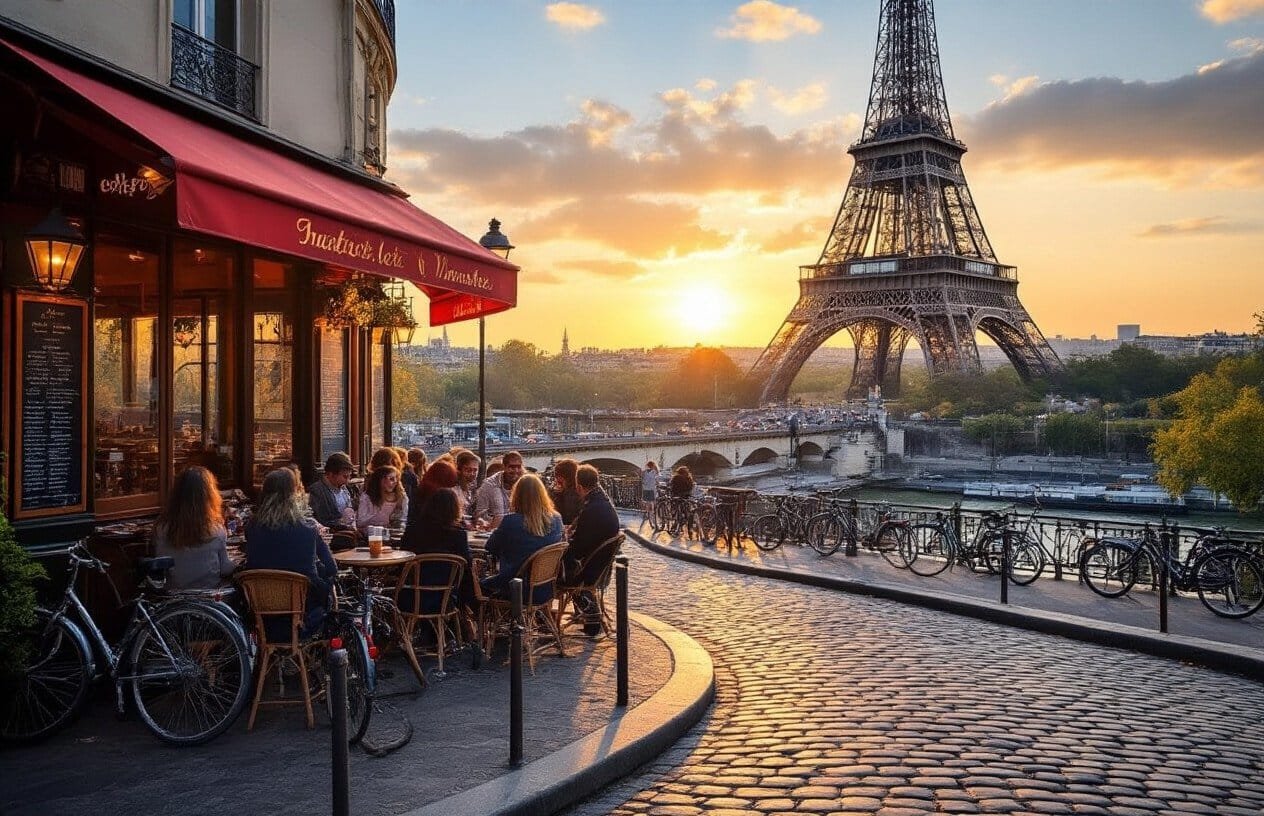
Paris isn’t called the City of Light for nothing. The French capital sparkles with iconic landmarks that have captured imaginations for centuries.
The Eiffel Tower stands as the city’s undisputed symbol. Skip the long lines by booking tickets online before your trip. For the best experience, visit twice – once during daylight to appreciate the intricate ironwork and again after dark when 20,000 bulbs illuminate the structure in a dazzling light show every hour.
Notre-Dame Cathedral remains breathtaking even as reconstruction continues following the 2019 fire. You can’t go inside currently, but the exterior view from the Seine is still worth your time. For a similar Gothic experience, head to Sainte-Chapelle nearby, where 15 towering stained glass windows create a kaleidoscope of light when the sun shines through.
The Louvre needs no introduction as the world’s largest art museum. Don’t make the rookie mistake of trying to see everything in one visit. Instead, pick 2-3 wings that interest you most. Yes, the Mona Lisa is smaller than you expect, and yes, the crowds around it are exactly as big as you’ve heard. Pro tip: enter through the less crowded Porte des Lions entrance rather than the main pyramid.
Arc de Triomphe offers the best panoramic views of Paris. Climb the 284 steps (no elevator!) for a spectacular vista down the Champs-Élysées and across the city’s distinctive Haussmannian buildings. The eternal flame at the Tomb of the Unknown Soldier underneath is a moving tribute to fallen soldiers.
Montmartre and Sacré-Cœur Basilica combine for an essential Parisian experience. The gleaming white basilica crowns the city’s highest hill. Arrive early to beat crowds and enjoy the peaceful interior before exploring the winding streets of Montmartre below.
B. Hidden Gems Off the Tourist Trail
Ready to dive deeper than the average visitor? Paris hides countless treasures in plain sight.
Passage des Panoramas and other covered passages offer a glimpse into 19th-century Parisian life. These elegant shopping arcades feature vintage boutiques, specialty bookshops, and traditional cafés beneath glass roofs. Most tourists miss these completely, giving you a more authentic experience.
The Promenade Plantée (also called Coulée Verte) inspired New York’s High Line but remains relatively unknown to visitors. This elevated park built on an old railway line stretches nearly 3 miles through the 12th arrondissement, offering unusual perspectives of residential neighborhoods rarely seen by tourists.
Canal Saint-Martin transforms from a peaceful waterway by day to a buzzing social scene at night. Join locals lounging along the banks with wine and cheese as the sun sets. The area’s indie boutiques, craft coffee shops, and street art make it a refreshing alternative to more polished central districts.
Musée de la Chasse et de la Nature (Museum of Hunting and Nature) might sound peculiar, but this quirky museum blends contemporary art with traditional hunting artifacts in a 17th-century mansion. The surreal installations and intimate setting provide a welcome break from larger museums.
La Petite Ceinture, Paris’s abandoned railway line, offers urban explorers access points throughout the city. These tracks once circled Paris but now form a wild green belt where nature has reclaimed the space. Access varies by section, with some officially open as parks while others remain delightfully untamed.
For literary lovers, Shakespeare and Company’s lesser-known neighbor, Abbey Bookshop, offers floor-to-ceiling English books in a charming, cramped space where the Canadian owner often offers free coffee while you browse.
C. Day Trips from Paris Worth Taking
When you’ve had your fill of city life, incredible experiences await just beyond Paris.
Versailles tops most day-trip lists for good reason. The opulent palace, with its Hall of Mirrors and meticulously manicured gardens, showcases royal excess at its most extreme. Visit on a Tuesday or Wednesday when crowds thin out, and don’t miss the Grand Trianon and Marie Antoinette’s hamlet in the far reaches of the estate.
Giverny, where Claude Monet created his most famous works, lies just 45 minutes from Paris by train. The artist’s home and gardens remain preserved as they were during his lifetime. Time your visit for late spring when the famous water lilies bloom, creating the scenes immortalized in his paintings.
Medieval Provins transports you back in time with its remarkably preserved fortifications, underground tunnels, and half-timbered houses. This UNESCO World Heritage site hosts medieval festivals throughout the summer, complete with falconry shows and jousting tournaments.
Fontainebleau offers a different palace experience than Versailles – older, less crowded, and surrounded by ancient forests perfect for afternoon hikes. Napoleon considered this his true home, and the château’s 1,500 rooms span eight centuries of French royal history.
Champagne region lies just 45 minutes from Paris by high-speed train. Towns like Reims and Epernay offer cellar tours ranging from famous houses like Moët & Chandon to small family producers. The stunning cathedral in Reims, where French kings were crowned for centuries, is worth the trip alone.
D. Navigating Public Transportation Like a Local
Mastering Paris’s transit system saves you time, money, and frustration. The integrated network of métro, RER trains, buses, and trams can take you anywhere you need to go.
First, grab a Navigo Découverte card (€5 plus fare) if staying for several days. It works on all public transportation and eliminates the need for individual tickets. Load it with a weekly pass (Monday-Sunday only) or daily passes. Alternatively, purchase a book of tickets (carnet) for flexibility.
The métro runs from 5:30am to about 1am (later on weekends). Stations are everywhere – you’re rarely more than 500 meters from one. Learn these essential line numbers: Line 1 (yellow) connects major attractions east-west, while Line 4 (purple) runs north-south through the center.
Avoid rush hours (8-10am, 6-8pm) when trains become uncomfortably packed. Instead of struggling with luggage during these times, consider using buses, which offer the added bonus of sightseeing as you travel.
The RER trains connect central Paris with suburbs and major sites like Versailles (RER C) and Charles de Gaulle Airport (RER B). Just be careful to check the destination displays, as these trains branch off to different terminals.
Paris buses complement the métro perfectly for shorter distances or when you want to see the city. The electronic displays at stops show waiting times, and you must signal the driver to stop by pressing the red buttons inside.
Google Maps works reliably for transit directions, but the official RATP app provides more detailed information including disruptions and accessibility options.
E. Parisian Etiquette: Do’s and Don’ts
Parisians appreciate visitors who make an effort to respect local customs. These simple guidelines will help you avoid common faux pas.
Always begin interactions with “Bonjour” (or “Bonsoir” after 6pm) before asking questions or making requests – even in shops or restaurants. This simple greeting shows respect and will dramatically improve your reception. Follow it with “Parlez-vous anglais?” if your French skills are limited.
Keep your voice down in public spaces. Americans especially are often perceived as too loud on public transportation and in restaurants. Observe the volume of locals around you and match it.
Dining etiquette matters in Paris. Restaurants typically serve lunch from 12-2pm and dinner from 7:30-10:30pm. Arriving at 6pm marks you immediately as a tourist and may result in less attentive service. Once seated, your table is yours for the evening – no one will rush you out.
Dress with a bit more polish than you might at home. While you don’t need formal clothes, Parisians generally avoid athletic wear, very casual shorts, and flip-flops when not actually exercising or at the beach. A simple, neat appearance goes a long way.
Tipping practices differ from American norms. Service is included in your bill by law. While leaving small change or rounding up is appreciated for good service, 15-20% tips are unnecessary and uncommon.
Public displays of affection are perfectly acceptable, but public intoxication is not. Enjoy your wine, but maintain your composure in public spaces.
Regional Treasures of France
A. Provence’s Lavender Fields & Historic Villages
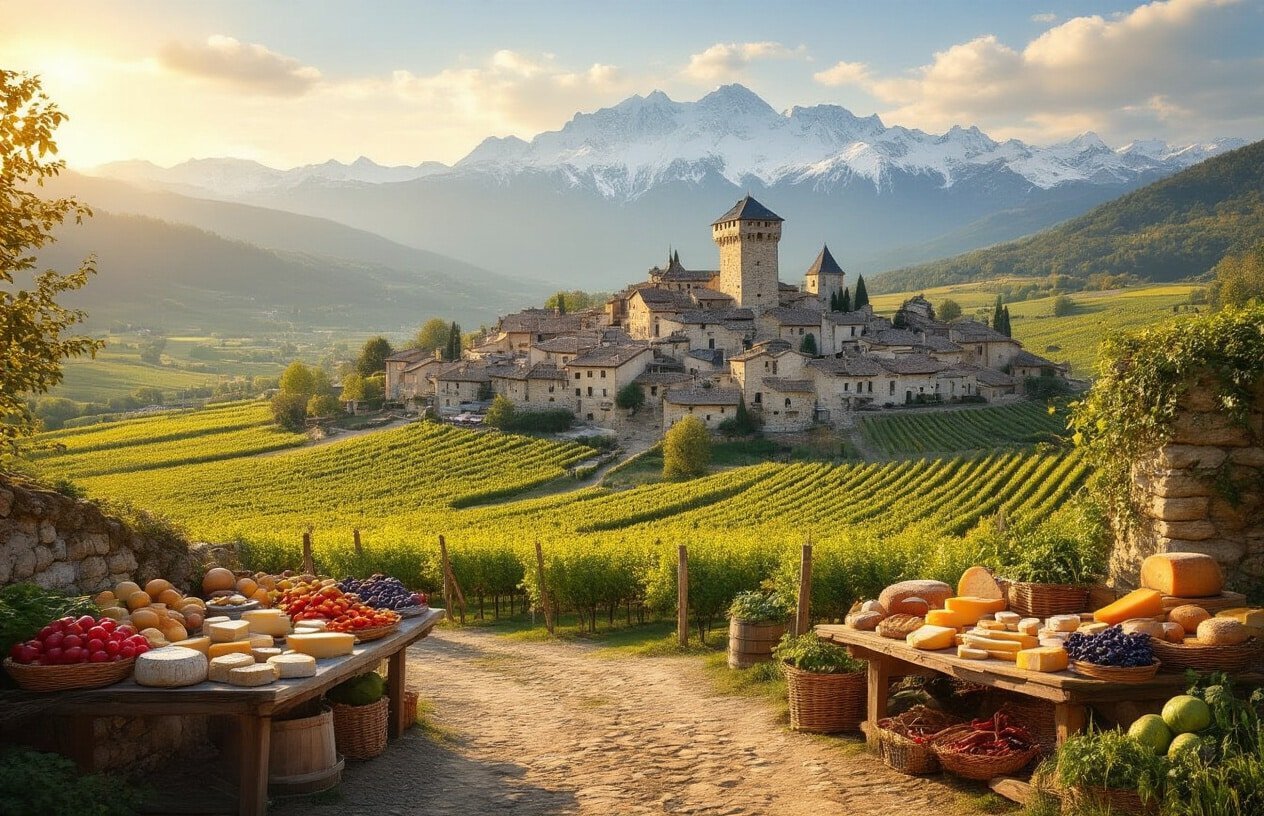
Step into Provence and you’re walking into a painting. Those purple fields stretching to the horizon? They’re not just for Instagram—they’re a slice of French soul that’ll steal your heart faster than you can say “lavender sachet.”
The best time to catch this purple spectacle is late June through July. For the full sensory overload, head to the Valensole Plateau where the lavender blankets the landscape as far as your eyes can see. Bring your camera, but honestly, no photo does justice to standing in those fields with the scent wrapping around you and the soft buzz of bees providing nature’s soundtrack.
Beyond the famous fields, Provence’s villages pack serious charm. Gordes perches dramatically on a hillside, its stone buildings glowing golden at sunset. Wander the narrow streets and you’ll feel like you’ve stepped back centuries. Nearby Roussillon dazzles with ochre-colored buildings in warm shades of orange and red – a striking contrast to the lavender fields.
Don’t miss Saint-Rémy-de-Provence, where Van Gogh created some of his most famous works. You can walk the same paths that inspired him and visit Saint-Paul-de-Mausole, the monastery where he stayed. The light here is different—artists have sworn by it for generations.
For a perfect Provençal day, visit a morning market in Apt or L’Isle-sur-la-Sorgue. Fill your basket with olives, goat cheese, and freshly baked bread, then find a spot under a plane tree for a simple but unforgettable lunch.
B. The French Riviera’s Coastal Splendors
The Côte d’Azur isn’t just a playground for the rich and famous—though you might spot a celebrity or two in Cannes or Saint-Tropez. This stretch of Mediterranean coastline offers something for every traveler, from glamorous beach clubs to hidden coves only locals know about.
Nice makes the perfect base for exploring the Riviera. Start with a stroll along the Promenade des Anglais, the iconic seaside walkway that captures the essence of the coast. Then lose yourself in the ochre-colored buildings of the Old Town (Vieux Nice), where narrow streets lead to hidden squares filled with cafés.
For a taste of old-world glamour, hop on a train to Monaco. This tiny principality packs a punch with its famed casino, yacht-filled harbor, and the charming old town perched high above the sea. You don’t need to be a high-roller to enjoy it—simply walking the Formula 1 Grand Prix circuit is a thrill.
When the glitz gets overwhelming, escape to Èze, a medieval village dramatically situated on a narrow rocky peak. The views from the exotic garden at the top stretch all the way to Italy on clear days. It’s breathtaking in the truest sense of the word.
Beach lovers, you’re in paradise here. For something different than the famous stretches of sand in Cannes or Antibes, take a boat to the Lérins Islands just offshore from Cannes. The beaches are less crowded, and the clear waters are perfect for snorkeling.
Food on the Riviera deserves special mention. Try socca, a chickpea pancake that’s a Nice specialty, or a proper salade niçoise where it was invented. And the seafood? Fresh from the Mediterranean that morning and often simply grilled with herbs and olive oil—perfection on a plate.
C. Loire Valley’s Magnificent Châteaux
The Loire Valley is castle country, pure and simple. Over 300 châteaux dot this UNESCO World Heritage landscape, each with stories that bring French history to vivid life.
Chambord stands as the region’s showstopper—a Renaissance masterpiece with 440 rooms, 365 fireplaces, and that famous double-helix staircase (possibly designed by Leonardo da Vinci). You could spend hours just exploring the massive grounds and hunting forests surrounding it.
For sheer romance, Chenonceau takes the crown. Known as the “Ladies’ Château” because it was shaped by a succession of powerful women, it elegantly spans the Cher River on a series of arches. The gardens here are spectacular, with distinct styles reflecting the personalities of Catherine de Medici and her rival Diane de Poitiers.
Villandry might not be the largest château, but its gardens are world-famous—six gardens across three terraces, including a magnificent ornamental kitchen garden where vegetables are planted in geometric patterns. It’s art you can eat!
While the big-name castles deserve their fame, don’t overlook smaller gems like Azay-le-Rideau, which seems to float on its own reflection pool, or the fortress of Chinon, where Joan of Arc recognized the disguised king of France.
Between château visits, the Loire Valley offers plenty more pleasures. You’re in wine country, so stop at small wineries to sample crisp Sancerre, sparkling Vouvray, or refreshing Muscadet. The region is also heaven for cyclists, with gentle terrain and the Loire à Vélo route offering 500 miles of well-marked bike paths.
Stay in a château-hotel for the full experience—many historic properties have been converted into accommodations where you can live like royalty, if only for a night.
D. Alpine Adventures in the French Mountains
The French Alps deliver year-round thrills that go way beyond the world-class skiing everyone knows about. From snow-capped giants to flower-filled summer meadows, the mountains showcase France at its most dramatic.
Winter transforms resorts like Chamonix, Val d’Isère, and Courchevel into snowy playgrounds. Each has its own character—Chamonix draws serious mountaineers and freeriders seeking extreme terrain, while Courchevel offers a more polished experience with luxury hotels and Michelin-starred restaurants slope-side.
Don’t ski? No problem. Try snowshoeing through silent forests, ice climbing on frozen waterfalls, or dog sledding across pristine snowfields. Or simply ride the cable cars up for alpine views that will leave you speechless—especially the Aiguille du Midi in Chamonix, which deposits you at 12,600 feet with Mont Blanc seemingly close enough to touch.
When summer melts the snow, the Alps reveal their green side. Hiking trails crisscross the mountains, from gentle valley walks to challenging multi-day treks like the Tour du Mont Blanc, which circles Western Europe’s highest peak through France, Italy, and Switzerland.
The mountain towns are worth exploring too. Annecy, with its crystal-clear lake and medieval old town laced with canals, earns its nickname as the “Venice of the Alps.” Megève charms with its traditional Savoyard architecture and car-free village center.
Don’t leave without sampling mountain cuisine—hearty fare designed to fuel alpine adventures. Try tartiflette, a rich potato gratin with Reblochon cheese and bacon, or fondue savoyarde, featuring local cheeses melted with white wine. These comfort foods taste even better after a day in the mountain air.
For something truly special, visit during the Alpine wildflower season in June and July. Meadows explode with color as edelweiss, gentian, and alpine roses carpet the landscape—a gentler but equally stunning face of these mighty mountains.
Savoring French Cuisine
Understanding French Dining Customs
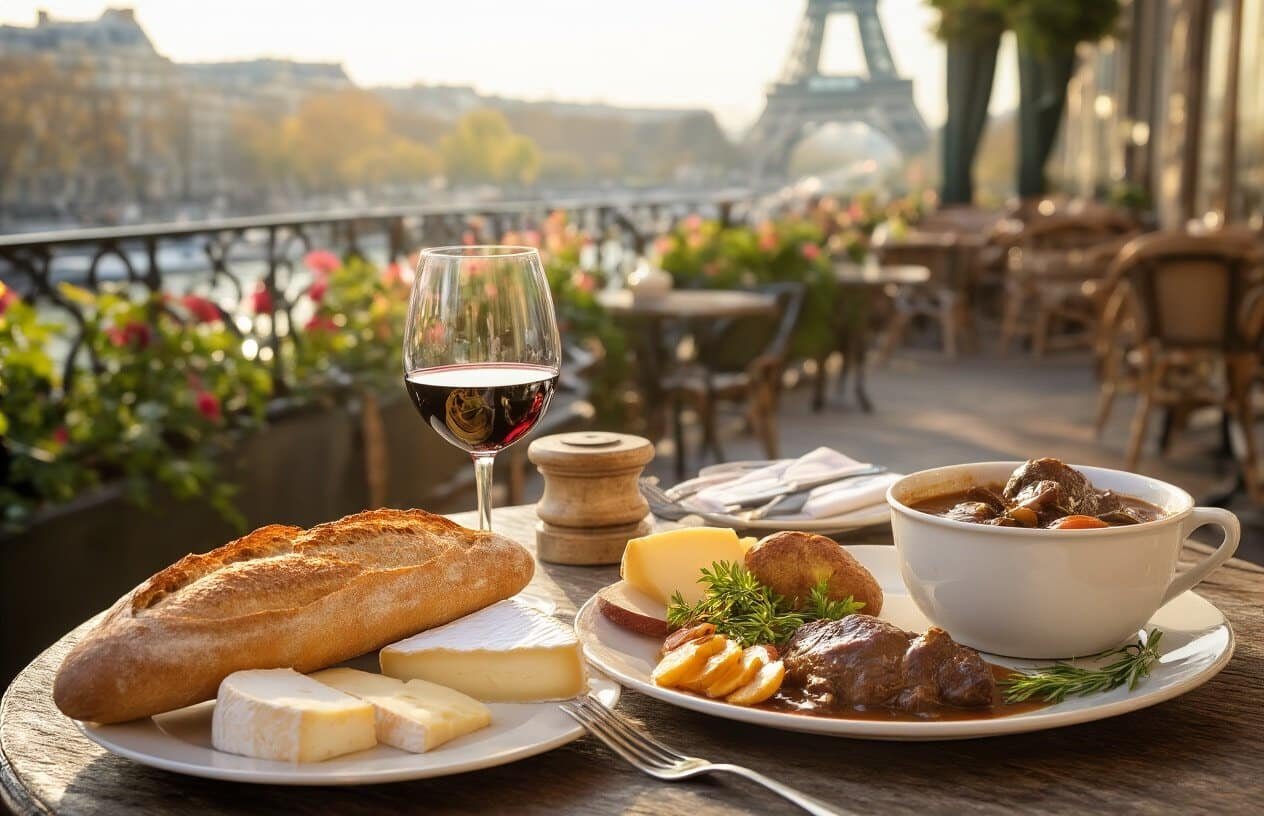
The moment you sit down at a French bistro, you’re stepping into a culinary ritual that’s been perfected over centuries. French dining isn’t just about eating—it’s an experience to be savored.
First things first: meal times in France run later than you might be used to. Lunch typically starts around 12:30 and can stretch until 2:30, while dinner rarely begins before 7:30 pm and often starts closer to 8:30. Show up at 6 pm for dinner and you’ll likely find yourself alone in an empty restaurant!
When you enter a restaurant, a friendly “Bonjour” goes a long way. The French appreciate basic politeness, and this simple greeting sets a positive tone for your meal. Your waiter isn’t going to rush over with a peppy introduction and endless refills. Service in France is professional but discreet—they’ll give you space to enjoy your conversation and meal without constant interruptions.
Water won’t automatically appear on your table. If you want it, ask for “une carafe d’eau” for free tap water. And here’s a time-saver: in most places, you’ll need to ask for the check (“l’addition, s’il vous plaît”) when you’re ready—waiters won’t bring it until requested, as rushing diners is considered rude.
The typical French meal follows a specific structure:
- Entrée (appetizer)
- Plat principal (main course)
- Fromage (cheese course)
- Dessert
You don’t need to order all courses, but understanding this progression helps you navigate menus. Many restaurants offer prix-fixe options (formules) that provide excellent value—typically an entrée and plat, or plat and dessert, at a fixed price.
Bread comes with every meal, but butter usually doesn’t! The French typically use bread to sop up sauces, not as a pre-meal filler. And don’t expect to see oversized portions—French dining celebrates quality over quantity.
Tipping isn’t mandatory since service is included in your bill (look for “service compris”), but rounding up or leaving a few euros for excellent service is appreciated.
Regional Specialties You Must Try
France isn’t just one cuisine but a patchwork of distinct regional food traditions. Each area has specialties worth traveling for.
In Normandy and Brittany, the coastal influence is unmistakable. Try the buttery seafood in Normandy’s “marmite dieppoise” (seafood stew) or Brittany’s buckwheat galettes filled with ham, cheese, and egg. Don’t miss the caramelized apple tarte Tatin or a traditional crêpe with salted caramel butter.
Head to Burgundy for perhaps the most famous French dish—boeuf bourguignon. This rich beef stew cooked in red wine embodies French comfort food. While there, sample escargots (snails) in garlic butter and coq au vin (chicken braised in wine).
The southwest region of France offers cassoulet—a hearty bean stew with duck confit and sausage that’s perfect after a day of sightseeing. In nearby Bordeaux, entrecôte à la bordelaise (ribeye steak with wine sauce) pairs perfectly with the region’s famous wines.
Provence’s cuisine bursts with Mediterranean flavors. You’ll want to try bouillabaisse (seafood stew) in Marseille, ratatouille (vegetable stew), and salade niçoise. The herbs and olive oil create dishes that taste like sunshine.
In Alsace, along the German border, the food takes on a distinct character. Order choucroute garnie (sauerkraut with various meats) or tarte flambée (thin pizza-like dough topped with crème fraîche, onions, and bacon).
Lyon proudly claims the title of France’s gastronomic capital. In this culinary paradise, seek out quenelles (light dumplings in a creamy sauce), andouillette (a distinctive sausage), and praline tarts.
And don’t forget Paris! Beyond the obvious croissants and baguettes, try a traditional steak-frites, croque monsieur (grilled ham and cheese sandwich), or duck confit.
Wine Tasting Across French Vineyards
No culinary journey through France is complete without exploring its wines. You don’t need to be a sommelier to appreciate French wine—just curiosity and a willingness to try new things.
Bordeaux offers world-famous reds from regions like Médoc, Saint-Émilion, and Pomerol. Book a château tour to learn how these prestigious wines are made. Many estates offer tastings for under €15, with some applying this fee toward bottle purchases.
Burgundy produces some of the world’s most sought-after wines from Pinot Noir and Chardonnay grapes. The famous Côte d’Or (golden slope) is home to legendary vineyards where tours often include cave visits and tastings of multiple vintages.
The Champagne region, just a quick trip from Paris, welcomes visitors to both famous houses (Moët & Chandon, Veuve Clicquot) and smaller producers. You’ll learn how the méthode champenoise creates those magical bubbles and taste different styles of champagne.
For something different, head to the Loire Valley for crisp Sancerre and Vouvray, or to Alsace for aromatic whites like Gewürztraminer and Riesling. The Rhône Valley offers powerful Syrahs from the north and rich Grenache-based blends from the south.
When wine tasting, pace yourself and don’t be afraid to use the spittoon—professionals do! Ask questions about the wine-making process, and take notes on what you enjoy. Most importantly, buying a bottle of something you loved is the perfect souvenir.
Food Markets & Culinary Experiences
Nothing captures the essence of French food culture like its markets. These vibrant social hubs have been central to French life for centuries.
Paris boasts several standout markets. Marché Bastille (Thursdays and Sundays) offers a huge selection of fresh produce, cheese, and prepared foods. Marché d’Aligre combines a covered market with an outdoor flea market, creating a lively atmosphere perfect for treasure hunting and snacking.
In Provence, the markets burst with color and scent. Aix-en-Provence’s daily market in Place Richelme showcases the region’s famous herbs, olive oils, and seasonal produce. The Sunday market in L’Isle-sur-la-Sorgue combines food stalls with one of France’s best antique markets.
At any French market, follow these simple tips: bring cash and a reusable bag, arrive early for the best selection, and don’t touch the produce—vendors will select items for you.
Beyond markets, hands-on culinary experiences create lasting memories. Cooking classes range from quick macaron workshops to full-day immersions in French techniques. In Paris, La Cuisine Paris offers English-language classes covering everything from croissants to classic sauces. In Provence, many classes begin with a market tour before teaching you to prepare regional specialties.
Food tours provide effortless entrée into neighborhoods and culinary traditions. In Lyon, explore the famous traboules (hidden passageways) while sampling specialties from various bouchons (traditional Lyonnaise restaurants). In Bordeaux, canelé pastry tours reveal the history behind these rum-flavored treats while letting you taste variations across the city.
Cheese tastings offer delicious education about France’s dairy traditions. With over 400 distinct French cheeses, guided tastings help you appreciate regional differences and traditional production methods. Many fromageries offer tasting plates paired with appropriate wines.
For the ultimate splurge, reserve a table at a Michelin-starred restaurant. France invented the concept of fine dining, and experiencing it firsthand—even if just once during your trip—creates unforgettable memories. Many top restaurants offer lunch menus that cost significantly less than dinner while featuring the same exemplary cuisine.
Practical Travel Tips
A. Accommodation Options for All Budgets
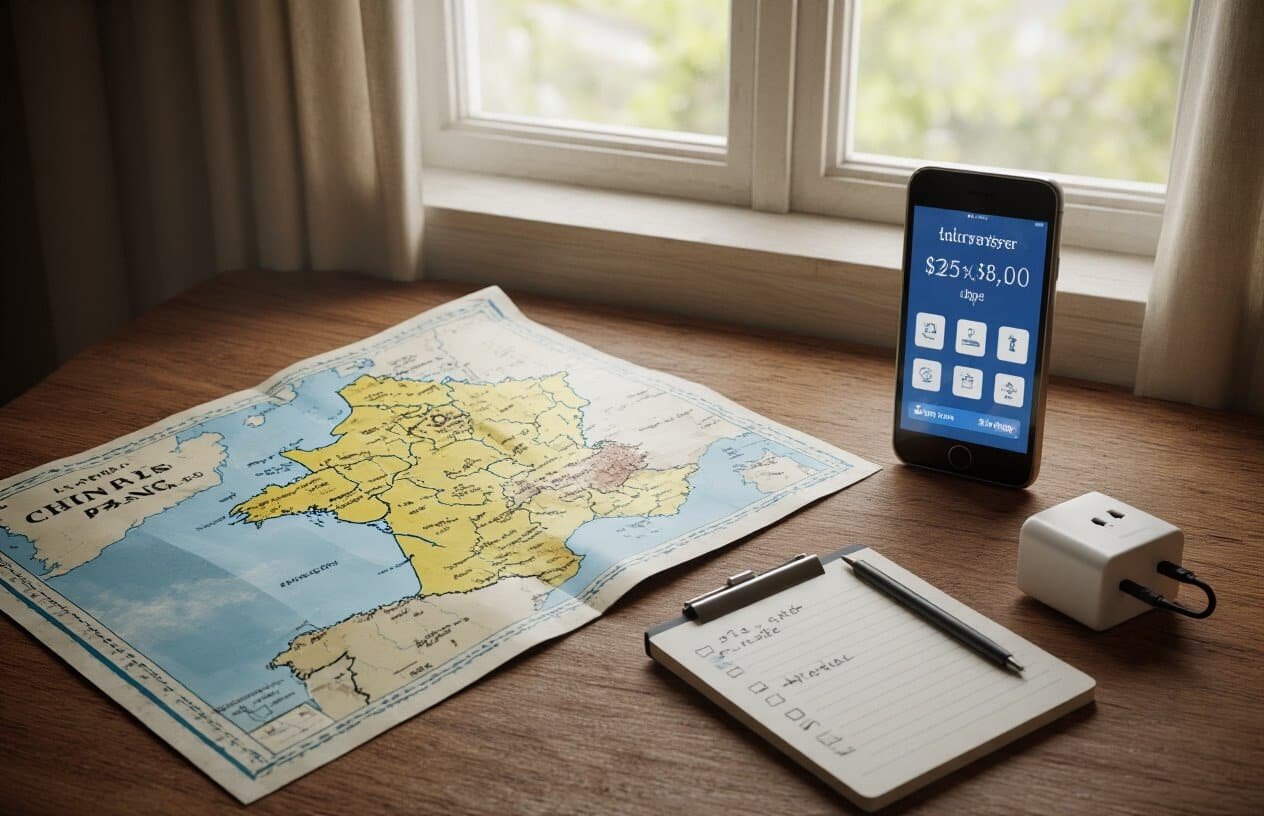
Finding the perfect place to stay in France doesn’t have to break the bank. The country offers lodging for every wallet size, from luxury châteaux to budget-friendly hostels.
If you’re watching your euros, hostels are your best bet. Most French cities have modern hostels starting around €25-35 per night for a dorm bed. Look for chains like Generator in Paris or Les Piaules for clean facilities and social vibes. Many include free breakfast and offer private rooms if dorms aren’t your thing.
For mid-range budgets, small family-run hotels called “hôtels de charme” deliver authentic French experiences. These typically cost €70-120 per night and often include breakfast. The bonus? The owners usually share local tips you won’t find in guidebooks.
Want something homier? Gîtes (countryside rental homes) or apartment rentals through Airbnb give you space and kitchen access. In rural areas, a week-long gîte rental can be surprisingly affordable, especially if you’re traveling with friends or family.
Splurging? Historic châteaux hotels like those in the Loire Valley offer royal treatment. Many luxury properties belong to the Relais & Châteaux collection, guaranteeing exceptional service and ambiance.
Pro tip: Book accommodations outside major tourist seasons (April-June or September-October) for better rates. Also, many French hotels offer half-board options (demi-pension) including dinner, which can be a great value in smaller towns with limited dining options.
B. Communicating Without Fluent French
The myth that French people refuse to speak English? Mostly outdated. While attempting a few French phrases shows respect, you’ll find English widely spoken in tourist areas, major cities, and by younger generations.
Start with these essential phrases, and you’ll win hearts:
- “Bonjour” (hello) – absolutely crucial before any interaction
- “S’il vous plaît” (please)
- “Merci” (thank you)
- “Parlez-vous anglais?” (Do you speak English?)
- “Excusez-moi” (excuse me)
French people appreciate when you begin conversations in French, even if you quickly switch to English. This small effort shows cultural respect that opens doors.
Download Google Translate and use its camera feature to translate menus and signs instantly. The app also works offline if you download the French language pack before your trip.
In restaurants, many tourist areas now offer English menus, but don’t be surprised if smaller, local establishments don’t. Point and smile works wonders, or try the French practice of ordering the “plat du jour” (dish of the day) which is usually a safe and delicious bet.
When shopping, numbers can be tricky. Have your phone ready to type amounts, or learn basic numbers. Shop assistants in tourist areas are used to helping international visitors and often speak basic English.
The biggest communication tip? Body language and a friendly smile go a long way. The French appreciate politeness, so maintaining a patient, pleasant demeanor helps overcome language barriers.
C. Safety Advice & Emergency Information
France ranks among Europe’s safer destinations, but staying street-smart still matters. Pickpocketing remains the most common tourist issue, especially in crowded tourist spots like the Eiffel Tower, Louvre, and busy metro stations.
Keep these safety tips handy:
- Wear crossbody bags with zippers facing toward your body
- Keep wallets in front pockets, never back pockets
- Be extra vigilant on public transport and at major attractions
- Watch for common scams like the “gold ring” trick or petition signers who distract you while accomplices pick pockets
For emergencies, memorize these numbers:
- 15: Medical emergencies
- 17: Police
- 18: Fire department
- 112: European emergency number (works from any cell phone)
France has excellent healthcare, but it comes with costs for visitors. Travel insurance is absolutely worth it – don’t skip this step. If you need a pharmacy, look for the green cross sign indicating “Pharmacie.” French pharmacists are highly trained and can often help with minor issues without a doctor’s visit.
If you lose your passport, contact your country’s embassy or consulate immediately. Make digital copies of important documents before traveling and store them in cloud storage you can access anywhere.
Weather-related advisories matter too. Southern France can experience dangerous heat waves in summer, while mountain regions have avalanche risks in winter. Check local forecasts and heed warnings from authorities.
D. Shopping Smartly: Souvenirs & Fashion Finds
Shopping in France combines high fashion with charming local crafts, but navigating French shopping culture requires some know-how.
For authentic souvenirs that won’t scream “tourist,” skip the Eiffel Tower keychains and head to local markets instead. Regional specialties make the best mementos – lavender products from Provence, ceramics from Brittany, or specialty foods from any region. Just remember that liquid items over 100ml can’t go in your carry-on luggage.
If fashion calls your name, understand that French boutiques work differently than department stores. Small boutiques often have attentive salespeople who expect to help you. It’s considered polite to greet them with “Bonjour” when entering and to ask before touching merchandise in high-end shops.
Tax refunds can save you money on larger purchases. If you’re from outside the EU and spend over €100 in a single store on the same day, ask for a “détaxe” form. You’ll need to get it stamped at customs when leaving the EU and can receive refunds of 10-16%.
For the best deals, time your shopping right. France has nationally regulated sales periods called “les soldes” twice yearly (January and July) when genuine discounts of 30-70% are available. This beats random “promotion” signs you might see year-round.
Flea markets (marchés aux puces) offer vintage treasures, with Paris’s Saint-Ouen being the most famous. Bargaining is acceptable here, unlike in regular retail stores where prices are fixed.
E. Tech Tools & Apps for France Travel
The right apps transform your French adventure from stressful to seamless. Load these digital tools before departure:
The SNCF Connect app lets you book train tickets directly, often at better rates than third-party sites. You can store digital tickets right in the app, saving paper and time. For Paris specifically, download RATP which provides real-time metro, bus and RER updates, including service disruptions.
Google Maps works well in France, but consider Citymapper for urban navigation in Paris, Lyon, and other major cities. It offers more transport options and often suggests faster routes combining metro, bus, and walking.
For language help beyond Google Translate, try DeepL for more accurate translations when you need precision, especially for longer texts or important communications.
Restaurant discovery becomes easier with TheFork (LaFourchette in French), which offers discounts of up to 50% at participating restaurants and lets you book tables directly. For authentic local recommendations, Petit Futé is the French equivalent of Yelp with less tourist-oriented reviews.
Weather can impact your plans dramatically, especially in mountainous regions. Météo-France provides the most accurate French weather forecasts, including regional alerts.
Don’t forget practical finance apps: XE Currency for real-time exchange rates and Revolut or Wise for lower-fee currency exchanges and ATM withdrawals.
Most importantly, download your accommodation apps with offline access to reservations, and consider a VPN app if you’ll be handling sensitive information on public WiFi networks.
Many museums now offer dedicated apps with audio guides, interactive maps, and even augmented reality features. Download these before your visit to enhance your cultural experiences without paying extra for audio guides.
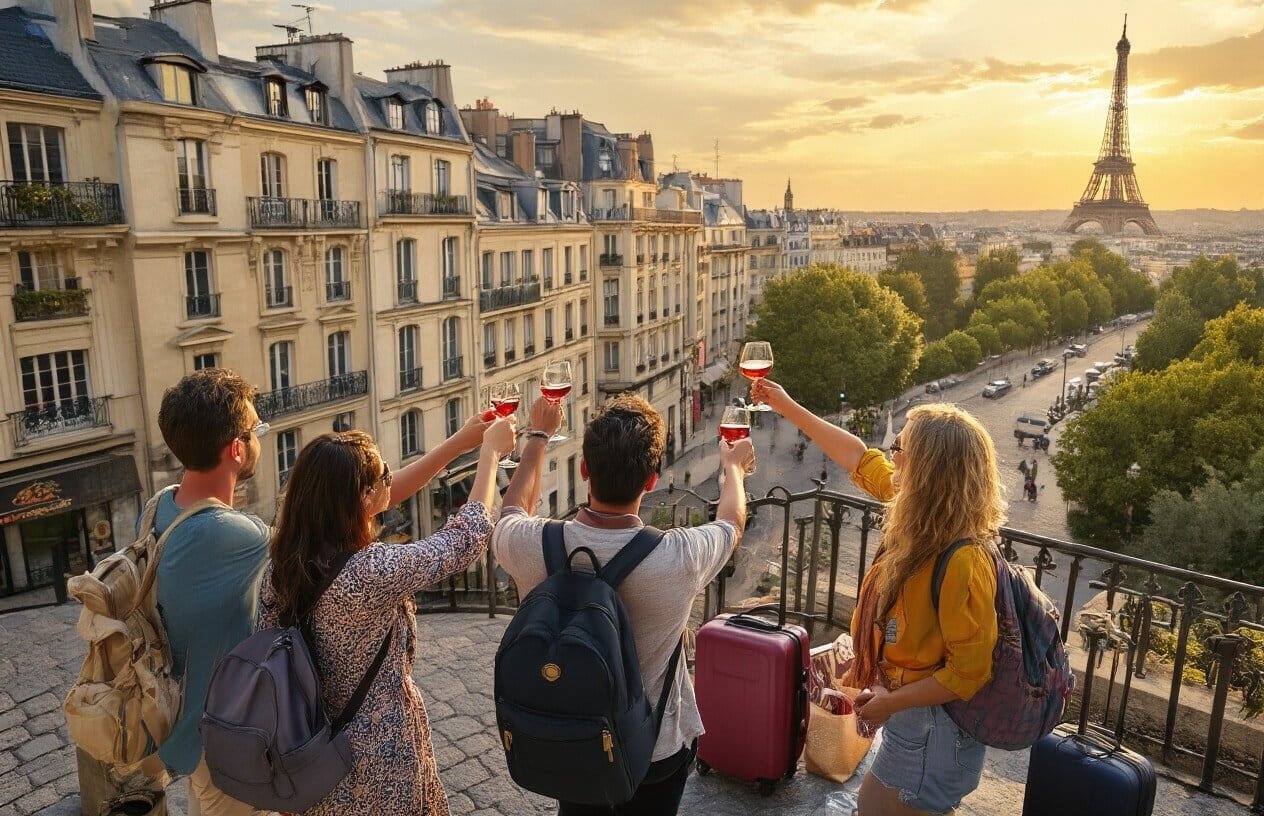
Traveling through France offers an unparalleled blend of history, culture, cuisine, and natural beauty. From exploring the iconic landmarks of Paris to wandering through lavender fields in Provence, each region presents its own unique character and charm. The country’s renowned culinary traditions, world-class museums, and picturesque villages create memories that last a lifetime.
As you plan your French adventure, remember that the true essence of France lies in slowing down to appreciate the small moments – a perfect croissant at a local boulangerie, a conversation with vineyard owners, or simply watching the world go by from a sidewalk café. Whether you’re a first-time visitor or returning traveler, France rewards those who embrace its joie de vivre. Pack your bags, brush up on basic French phrases, and prepare for an unforgettable journey through one of the world’s most beloved destinations.